Explore our premium architectural hardware designed for high-load durability, anti-theft security, and seamless sliding integration.
The global demand for high-performance sliding track systems has surged, driven by modern architectural preferences for minimalist designs, optimized spatial utility, and large-format structural glazing. Sliding track systems are no longer merely functional components; they are core architectural and industrial elements that directly influence building aesthetics, structural integrity, and long-term utility.
From heavy-duty industrial warehouse doors to acoustic-sealed sliding partitions in premium healthcare and workspace facilities, the selection of sliding hardware determines operational longevity. Sourcing teams, project engineers, and architectural consultants analyze manufacturers based on strict mechanical attributes: material grade (such as 6063-T6 extruded aluminum or grade 304/316 stainless steel), cycle-testing certifications (e.g., European EN 1527 or American ANSI/BHMA A156.14), corrosion resilience, and acoustic attenuation capabilities.
Traditional swing doors consume up to 10% of usable floor area. Premium pocket doors and multi-bypass sliding track systems eliminate dead space, maximizing structural footprints in high-density urban developments.
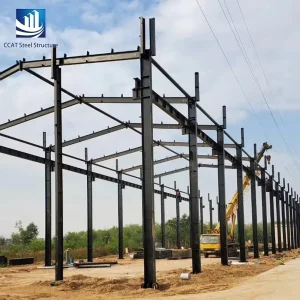
Industrial applications require robust hanging tracks capable of supporting glass or metal panels weighing from 150kg to upwards of 1,200kg per leaf without sag or alignment drift.
Modern sliding glass walls utilize drop-seal technology and peripheral gasket designs, achieving Sound Transmission Class (STC) ratings of up to 45 dB for commercial privacy.
When engineering architectural sliding portals, quality control teams must evaluate multiple mechanical stress indicators to avoid hardware failure, noise, and friction wear over time. Leading exporters differentiate themselves by supplying detailed material testing logs.
| Technical Parameter | Standard Requirement (Residential) | Heavy-Duty Commercial Grade | Industrial & High-Traffic Grade |
|---|---|---|---|
| Core Base Material | Extruded Aluminum (6063-T5) | Anodized Aluminum (6063-T6) / SUS304 | Hot-Dip Galvanized Steel / SUS316 |
| Cycle Test Rating (EN 1527) | 50,000 cycles | 100,000 cycles | 250,000+ cycles |
| Max Door Weight Limit | Up to 80 kg | 80 kg - 250 kg | 250 kg - 1,500 kg |
| Salt Spray Corrosion (ASTM B117) | 96 Hours | 240 Hours | 480+ Hours (Marine Grade) |
| Rollers & Bearings | Nylon / Polymer Shielded | Precision Steel Bearings with Delrin Sleeves | Heavy Machined Steel / Dual-Shielded Needle Bearings |
Furthermore, structural integration hinges on the selection between Top-Hung Systems and Bottom-Rolling Systems. Top-hung setups rely heavily on structural lintels or ceiling joists, offering completely flush floors without visual obstructions. In contrast, bottom-rolling systems transfer the panel weight directly to the floor slab, which is ideal for massive industrial walls or installations where the ceiling structure cannot support suspended loads.
Based on global macroeconomic analysis, the structural hardware segment has evolved to emphasize customized local sourcing and faster turnaround times. Sourcing managers increasingly avoid long lead times, looking for agile manufacturers who can provide customized samples within days rather than weeks.
Since its establishment in 2018, Jiangsu Jefort Hardware Manufacturing Co., Ltd. has rapidly established itself as a professional hardware manufacturer, becoming a leading supplier of hardware door and window accessories. Leveraging its solid production capabilities and precise market positioning, the company has grown into a premium supplier of hardware door and window accessories.
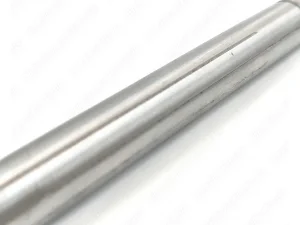
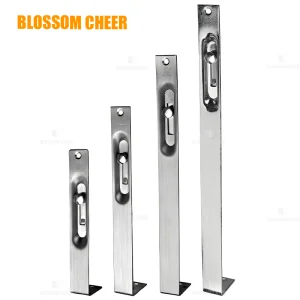
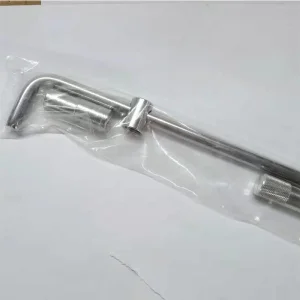
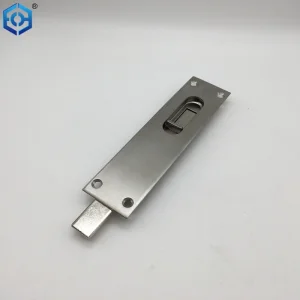
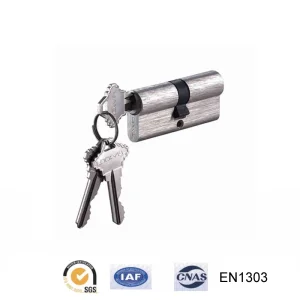
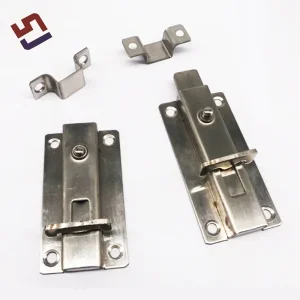
Our company focuses on core needs, meticulously crafting three core categories of products: UPVC, stainless steel, and steel door and window espag rods and bolts. These products not only meet the needs of doors and windows made of various materials, but also rigorously control quality. From raw material selection to production and processing, high standards are adhered to every step of the process, ensuring excellent durability, stability, and adaptability. These products can meet the needs of various door and window manufacturing scenarios and provide reliable accessory support for downstream customers.
Read More >>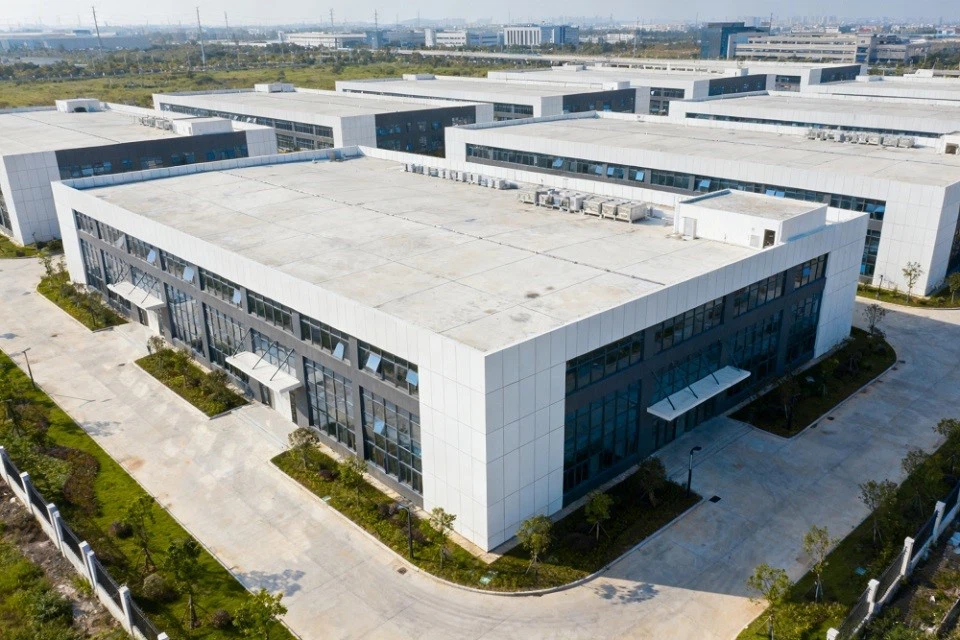
We support personalized requirements such as backset (7.5mm-35mm), length, color, and packaging. We can quickly produce customized solutions based on customer door and window profile samples and drawings, with a sample production cycle of just 3-5 business days. This allows us to serve complex construction tenders and dynamic industrial projects efficiently.

Product Application
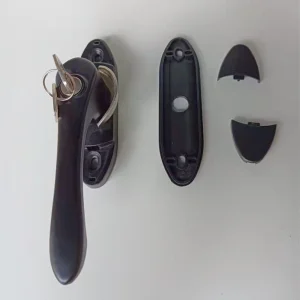
Comprehensive Door and window hardware

Production Equipment
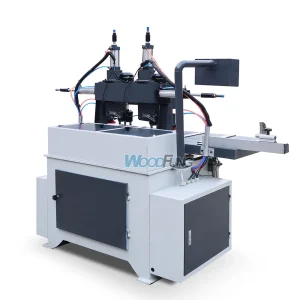
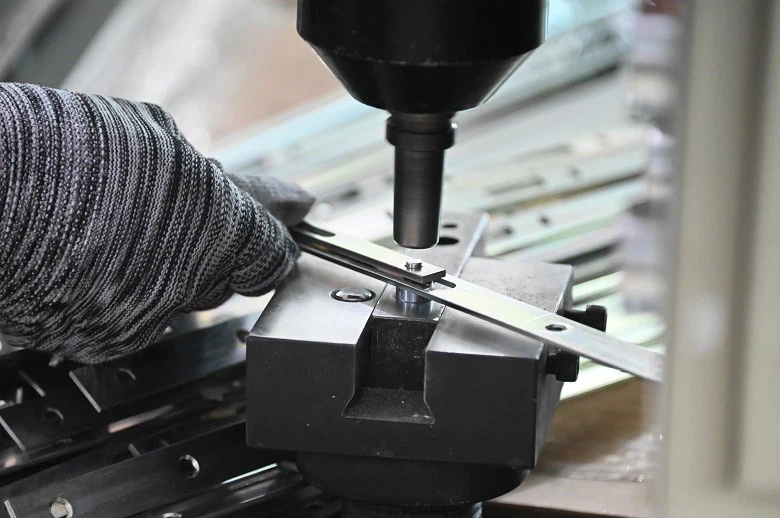
Automatic stamping machine & Automatic riveting machine

Production Market
Uzbekistan, Libya, Argentina, Middle East and Latin American countries

Our Service
Fully automatic stamping with a daily production capacity of 12,000 pieces
As smart buildings become the standard, sliding track systems are evolving beyond passive mechanical systems. Key manufacturers are currently investing in three major technological directions:
Utilizing high-density fluid dynamics dampers to absorb operational kinetic energy. This ensures smooth deceleration, protecting fragile frameless glass panels and minimizing physical wear on the end-stops.
By using permanent magnetic repulsion, maglev sliding systems suspend the sliding hanger within the track, completely eliminating physical contact rollers. The result is zero noise, zero friction, and near-infinite product life.
Motorized belt-driven and linear-drive sliding tracks are increasingly integrated with Building Management Systems (BMS), responding to environmental sensors, security controls, and mobile user interfaces.
Choosing the correct sliding track system requires looking at the building as a whole. A track system is only as reliable as the security elements enclosing it. This is why we align sliding tracks with high-strength espagnolettes and secure multi-point deadbolts to achieve comprehensive security parameters.
Educational institutions require dynamic spaces where large auditoriums can be subdivided into smaller seminar rooms. Sliding wall structures require heavy-duty tracks combined with durable bottom bolt mechanisms to anchor the walls into place securely, preventing structural sway and maintaining acoustic isolation.
In beachfront villa developments, sliding glass patio systems are exposed to high wind load pressures and airborne saline moisture. Utilizing standard track alloys leads to oxide rust within months. Our recommended setup pairs architectural 6063-T6 hard-anodized tracks with stainless steel multi-point latch systems to ensure long-term durability and security against extreme weather.
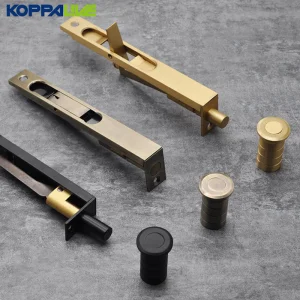
Discover our range of heavy-duty sliding hinges, canopy components, solid brass locking levers, and specialized CNC machinery.
 Jefort Hardware