7 Best Ways to Find Compatible Hardware for Old Windows?

Time:2026-11-22 Author:Madeline
0%

Finding hardware for an older Windows computer is less about chasing familiar brands and more about checking exact model numbers. A graphics card may fit the slot yet lack a driver for Windows 7. A network adapter may work only after you install a driver from another computer. Small details matter: the motherboard revision, 32-bit or 64-bit Windows, BIOS settings, and available ports can change the result.

Veteran Windows journalist Ed Bott has written extensively about Windows compatibility. A practical rule consistent with his guidance is: “Verify the exact device and driver, not just the brand.” Treat that as a reminder, not a guarantee. Hardware revisions can differ, and old driver-download pages may disappear. Even a careful match can disappoint.

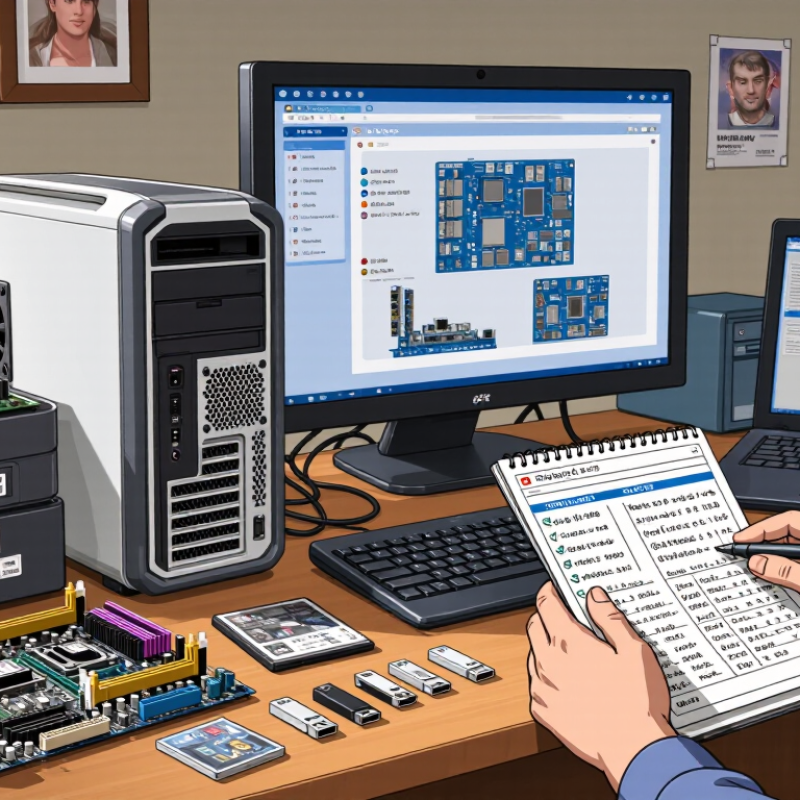
This guide to How to identify compatible hardware for old windows offers seven ways to reduce guesswork. You’ll learn to check the operating system version and architecture, search hardware IDs in Device Manager, review manufacturer driver archives, and compare chipset requirements. We’ll also cover expansion slots, firmware settings, and safe testing before replacing working parts. Keep a notebook of model numbers and driver versions as you go. It sounds tedious. It helps. Compatibility lists can be incomplete, so verify important details against more than one reliable source. A little uncertainty remains, especially with refurbished components, but careful checks can prevent wasted money and hours of troubleshooting.
7 Best Ways to Find Compatible Hardware for Old Windows?

Identify the Windows Version and Its Hardware Requirements

Before choosing replacement parts, confirm exactly which Windows release the computer runs. Press the Windows key and R, type “winver,” and note the version and build shown. Then open Settings, choose System, and inspect About for the edition, processor, installed memory, and system type. A 32-bit installation may use hardware differently from a 64-bit one. Small details matter.

Use the release’s official system requirements as a checklist, not a promise that every feature will work. Compare processor architecture and speed, RAM, available storage, graphics capability, and firmware needs. Check whether the machine uses older BIOS-style startup or supports UEFI, since some newer components expect particular boot settings. Leave extra disk space for updates and temporary files. Bare minimum is rarely comfortable.

Before buying anything, record the computer’s model identifier and inspect its device list for missing or warning-marked drivers. Search the operating system’s support documentation and component makers’ driver notes for the exact release and architecture. A part can fit physically yet lack a compatible driver. I would verify this twice, especially on a machine with limited memory or unusual peripherals. Requirements can vary between editions, and published lists do not describe every real-world combination. Be cautious.

Minimum RAM Requirements by Windows Version

These published minimums are a starting point when checking an older PC. Actual requirements depend on the edition and tasks you plan to run; more memory can improve usability.

Check Device Models, Ports, and System Architecture

Before choosing hardware for an older Windows computer, record its exact model and check the manufacturer’s specifications or the information printed on the case. Similar-looking computers can use different internal parts. Identify the processor, available memory slots, storage connections, and power supply limits. Then compare the candidate device’s model number and interface with your system. A connector that looks familiar may still use a different standard.

Tips: Check ports in person. Count USB ports, inspect video connections, and note whether storage uses SATA or another interface. Confirm whether a device needs a driver for your Windows version. Keep the model numbers and notes together; it is easy to mix them up.

System architecture matters too. Find out whether Windows is 32-bit or 64-bit, since some drivers and applications support only one architecture. Check the operating system edition and version as well, then look for a driver that explicitly lists them. For an internal component, verify the slot type, physical clearance, and power requirements before opening the computer. For a USB device, check both the port type and driver support. These details can feel tedious, and a listing may omit them. When compatibility information is unclear, pause and confirm it rather than relying on appearance alone.

Search Manufacturer Archives for Legacy Drivers

Start with the exact model number on the computer or device, then search the manufacturer’s support archive for that model and your Windows version. Archives may list several revisions under nearly identical names. Check the hardware ID in Device Manager, too; it can help distinguish a network adapter from a similar-looking component. Small details matter. A driver for 32-bit Windows may not work on a 64-bit installation, even when the device name matches.

Read the archive’s release notes before downloading. Look for supported Windows versions, device revisions, and installation instructions. If the page offers several packages, choose the one that matches the hardware ID and system architecture, rather than the newest file automatically. Keep the original installer and note its source and date. After installation, check Device Manager for warnings and test the device with a simple task, such as connecting to a network or printing a test page. I have found that old archive pages can be incomplete, so pause if details conflict. Avoid forcing an uncertain driver; create a restore point first and contact the manufacturer’s support channel if the archive does not clearly confirm compatibility.

Compare Components with Trusted Compatibility Resources

Finding compatible hardware for an older Windows computer takes more than matching a connector. Check the motherboard manual for supported processor generations, memory type, and expansion slots. Then compare those details with the component maker’s specifications or a carefully maintained hardware compatibility database. Look for the exact model number, not just a product family. Small revisions can change firmware support.

Tips: Confirm the required driver version and Windows edition before buying. Check whether the driver is available from a reliable archive or the component maker’s support page. Measure the case clearance, and compare power requirements with the labels on your power supply. Keep screenshots or notes of the specifications you verify. They help when listings are vague.

Cross-check important details in at least two sources, especially firmware requirements and memory limits. A forum post can reveal practical issues, such as a card that fits but blocks a nearby slot; still, treat personal reports as clues, not proof. Compatibility lists may also be outdated. I have learned that the hard way. If a part is difficult to verify, choose a simpler, well-documented option—or pause before spending money.

Test Hardware Safely Before Committing to a Setup

When evaluating hardware for an older Windows computer, treat every purchase as a small experiment. Check the exact interface, required power, and driver availability for your Windows edition and system architecture. A device may physically fit yet lack a usable driver. That matters.

Before opening the case, photograph cable positions and note current settings. Disconnect power, work on a clear surface, and use basic anti-static precautions. Test one component at a time, starting with a spare drive or nonessential device. Keep a working recovery image and your original hardware nearby; old systems can be fussy. I once assumed a card was compatible because its connector matched, but firmware support—not the slot—was the problem.

Install only drivers from sources you can verify, and avoid changing several variables at once. After installation, check Device Manager, restart twice, and test ordinary tasks such as file copying, sound playback, and sleep or wake. Watch temperatures and listen for unusual fan noise during a short load test. If the computer freezes, rolls back, or behaves inconsistently, stop and restore the previous configuration. A brief test cannot guarantee long-term reliability, and that uncertainty deserves a little humility. Write down the exact model and driver version; future troubleshooting is easier when memory is not doing all the work.

FAQS

How can I check which operating system version is installed?

Press the Windows key and R, type “winver,” and note the version and build. Then check Settings for the edition, processor, memory, and system type.

What should I compare before buying replacement hardware?

Compare processor requirements, memory, storage, graphics, and firmware needs with the computer’s specifications. Leave extra disk space for updates and temporary files. Minimum requirements can feel tight.

How do I confirm whether a component fits my computer?

Record the exact computer model and check its specifications. Confirm the component’s model, interface, slot, clearance, and power needs. Similar-looking parts may differ.

Why does 32-bit or 64-bit architecture matter?

Some drivers and applications support only one system architecture. Check your system type and choose a driver that explicitly supports it. Don’t guess.

How can I find the right driver for an older device?

Search the support archive using the exact device model and operating system version. Check the hardware ID, system architecture, device revision, and release notes.

What physical details should I inspect before choosing a device?

Count available USB ports and inspect the video connections. Check whether storage uses SATA or another interface. Write down model numbers; they’re easy to mix up.

What should I do if driver information is unclear?

Pause and verify the details instead of relying on appearance. Create a restore point before installation. Old archive pages can be incomplete, and I’d double-check.

How can I test a driver after installing it?

Check the device list for warning symbols, then try a simple task. Connect to a network or print a test page, if applicable. Small test.

Conclusion

Finding reliable hardware for an older Windows computer starts with confirming the exact operating system version, edition, and system requirements. Then check the computer’s architecture, available ports, and existing component models so that any replacement or addition can connect and function as expected. To learn How to identify compatible hardware for old windows, focus on matching these details rather than relying on appearance or assumptions.

Next, look for archived driver information from the relevant manufacturer and compare potential components with trustworthy compatibility references. Pay attention to driver availability, interface standards, and support for the system’s architecture. Before committing to a complete setup, test the hardware carefully and make changes one at a time. This helps reveal connection or driver problems early and reduces the chance of disrupting a working computer.

Madeline

Madeline

Madeline is a dedicated marketing professional with a wealth of expertise in our company's core offerings. With a keen understanding of the industry, she brings a unique perspective to her role, consistently delivering high-quality content that highlights the superior aspects of our products. As......